

Tell us what you collect and we'll take you straight to it. Three quick picks.
Scale usually matters most, so let's start there.
Pick the era you're after.
Optional. Jump to an exact range, or just show everything.
Three ways to get to exactly what you want.
Pick your scale, then the period, then narrow to a nation or range. We'll drop you straight onto the matching products. Fastest route if you know what you collect.
On any shop page open Browse by Range and expand a heading with the + to drill into sub-ranges. Tick as many as you like; the list updates instantly, no page reload.
Once you pick a filter, the other options shrink to only what's still available, so you never hit a dead end. Hit Clear filters any time to start fresh.
Type what you want, even loosely. "15mm French Napoleonic", "ACW", "Zulu" all work. It searches ranges and categories, not just product names.
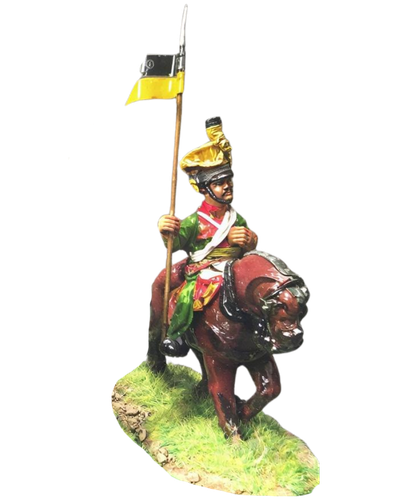
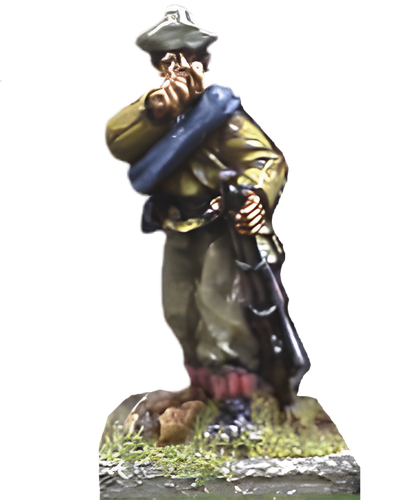
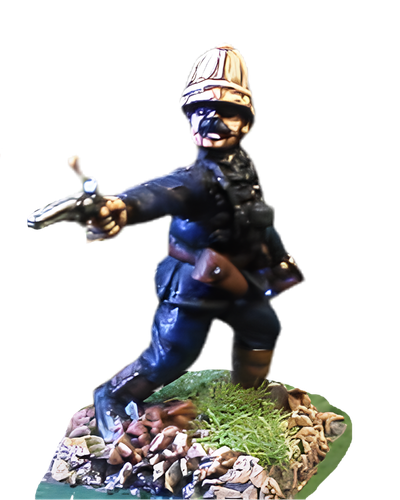
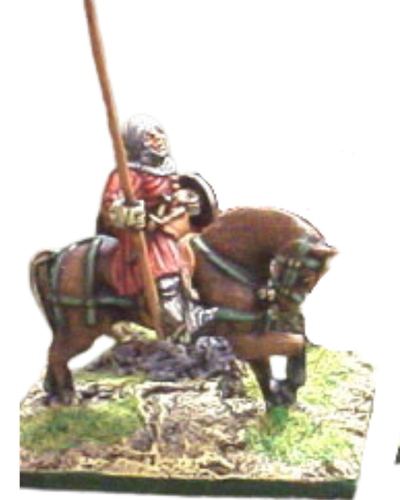
25mm and 28mm miniatures are among the most familiar sizes in historical wargaming. They are large enough to show plenty of sculpted detail, while still being practical for complete armies, units and skirmish games.
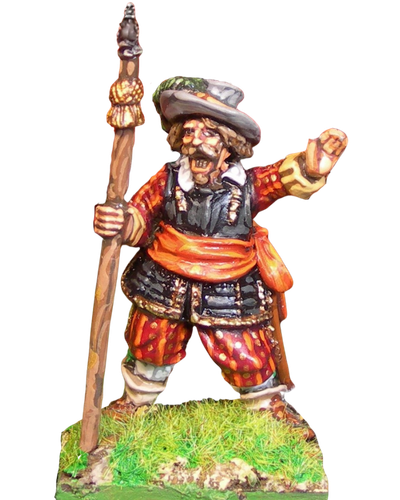
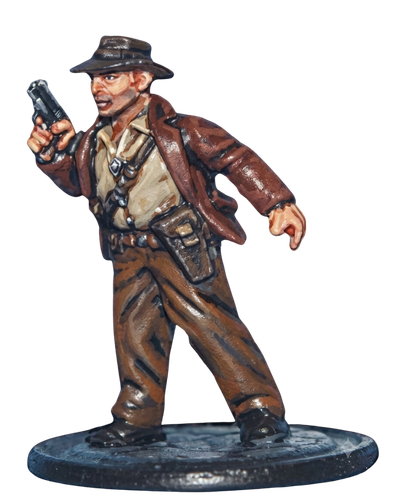
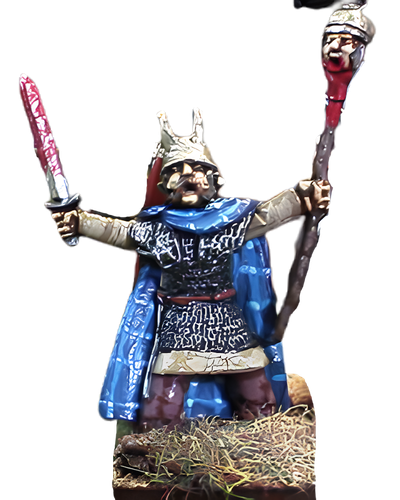
At this size, individual figures become a much bigger part of the tabletop experience. Uniforms, equipment, weapons, facial features and poses are easier to see, making 25mm and 28mm particularly popular with hobbyists who enjoy painting as much as gaming.
The terms 25mm and 28mm can also overlap, which is why you will often see them grouped together.
Detailed armies and characterful units
The larger size gives individual miniatures more presence while still allowing you to build substantial forces.
Individual figures matter more
You notice poses, command figures, uniforms and equipment much more readily than you would at smaller scales.
Plenty of visible detail
There is more room to pick out faces, belts, weapons, colours and other details.
Historical armies across many periods
Old Glory’s 28mm ranges cover periods from Ancient Egypt through to the early twentieth century.
The measurements give an approximate indication of the height of a standing human figure, but they should not be treated as exact universal standards.
Some manufacturers measure figures to eye level, while others measure to the top of the head. Sculpting style, headwear, pose and body proportions can also affect how large a miniature appears.
This is why two figures both described as 28mm may not be exactly the same height when placed side by side.
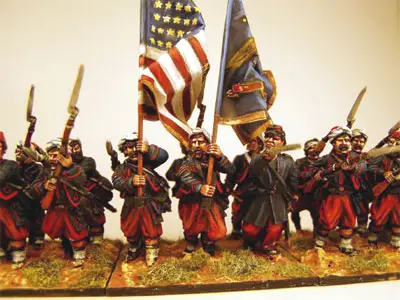
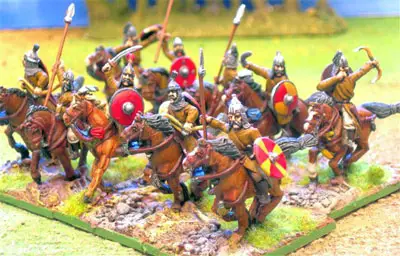
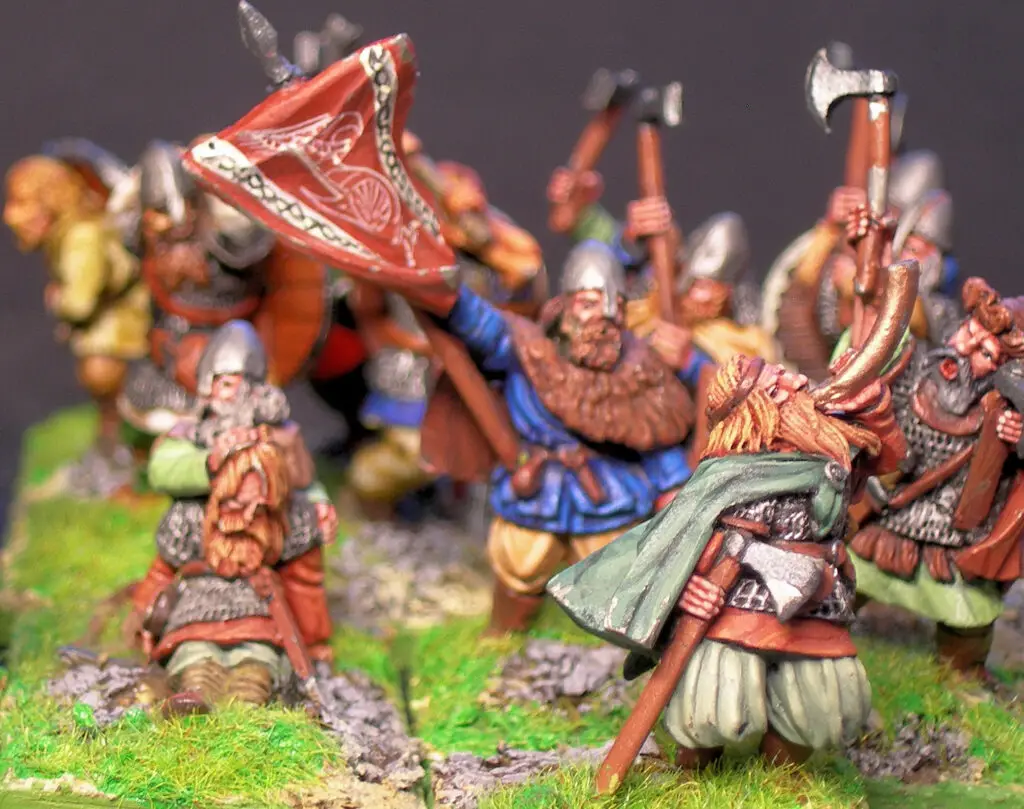
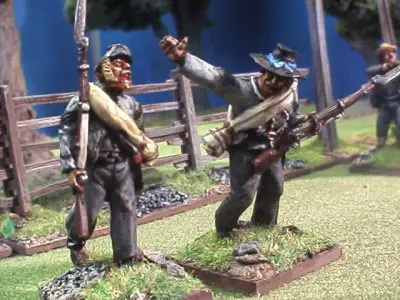
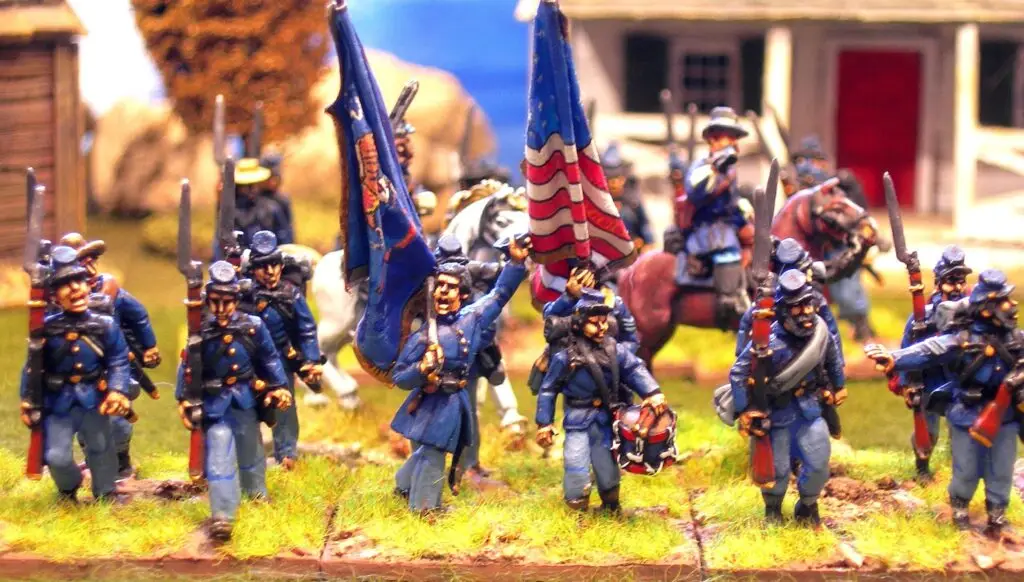
Old Glory 28mm wargaming miniatures shown in battle
Uniforms, weapons and equipment are large enough to form an important part of the overall look of the force.
Officers, standards, musicians and other distinctive figures have much more room to stand out.
Games involving smaller numbers of troops benefit from the increased personality and visibility of each miniature.
The larger surface area gives painters more scope for shading, highlighting, insignia and fine detail.
A well-painted 28mm regiment can make a striking centrepiece both on the tabletop and in a collection.
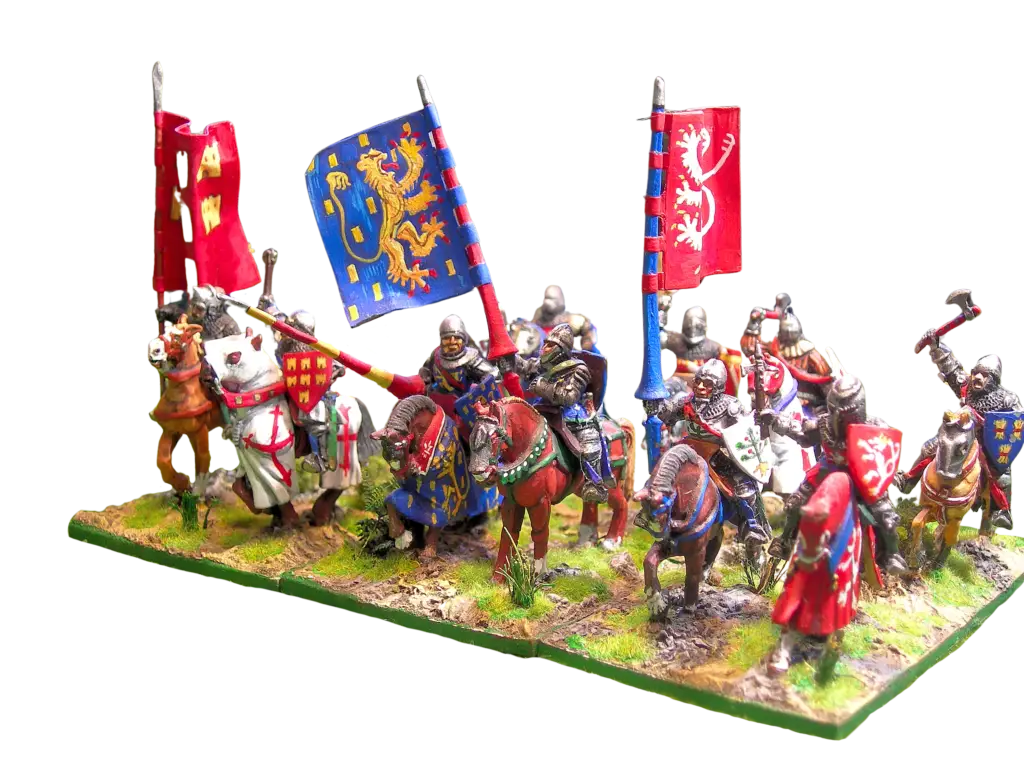
Old Glory 28mm wargaming miniatures shown in battle
Many painters find 28mm a comfortable size because individual features are easier to see than on smaller miniatures.
You have more room to work on:
That does not necessarily mean 28mm figures are quicker to paint.
The additional detail can encourage you to spend more time on each model, but that is part of the appeal for many hobbyists.
Generally, yes.
A unit made from 28mm miniatures will normally occupy more physical space than the same number of figures in 10mm or 15mm.
This means you may need to balance:
For smaller battles and skirmish games, this is rarely a problem.
For very large historical engagements, a smaller miniature size may make it easier to represent the scale of the battle.
Often, yes, but check the figures themselves.
Because the terminology has evolved over time, two ranges labelled 25mm and 28mm may look perfectly acceptable together.
Other combinations may show a noticeable difference in:
If you are building a single regiment or tightly grouped unit, matching figures from the same range will usually give the most consistent result.
What we get asked the most about our miniature sizes.
Not always. The terms overlap because older figures commonly described as 25mm can be similar in size to miniatures now described as 28mm. Different manufacturers also use different measuring conventions and proportions.
The stated size is usually a category rather than an exact overall height. Figures may be measured to eye level instead of the top of the head, while helmets, hats and poses can also increase their total height.
Often, but check the actual figures before building a complete unit. Differences in proportions and sculpting style can sometimes be more noticeable than the nominal size difference.
Yes. Their larger size makes details easier to see while painting, and there are many historical ranges available in this format.
They can be, but large armies require more tabletop space than equivalent forces in 10mm or 15mm. For particularly large historical engagements, a smaller scale may be more practical.
The larger size gives you more room to work on individual details, although a highly detailed 28mm figure may also take longer to finish.
28mm is primarily a miniature size description rather than one exact ratio scale. Approximate scale equivalents are sometimes used, but they vary according to manufacturer, proportions and measuring method.
40mm figures are larger and give even more emphasis to individual details. 28mm uses less space while still providing plenty of visible character and painting detail.
Yes. Old Glory has extensive 28mm historical ranges, while Sash & Saber also offers 28mm collections including American Civil War miniatures.
Not sure whether 25-28mm is right for your army? Compare it with our other miniature sizes before you decide.
Remember: Miniature sizes can vary slightly between manufacturers and ranges. For the most consistent appearance, choose figures from the same scale when building your army.
From ancient warriors and medieval armies to Napoleonics, colonial forces and the American Civil War, 25/28mm gives you the space to enjoy the character of every figure. Browse the Old Glory ranges and start building your next force.
Whether you want massed 10mm formations, 15mm armies, characterful 25/28mm figures, impressive 40mm miniatures or fleets in 1/600 scale, explore each guide to learn more before choosing your range.
Already know what you are looking for? Search our full range by product name, period, scale or code and get straight to the miniatures you need.
From practical guides and range updates to stories from the hobby, Andy shares useful advice, background and the occasional bit of wargaming wisdom.