Wargaming Miniature Sizes Explained
Miniature sizes such as 10mm, 15mm, 28mm and 40mm generally describe the approximate height of a standing human figure. However, there is no universal measurement standard.
Miniature size guide
What size miniatures do I need?
If you are new to miniature wargaming, terms such as 10mm, 15mm, 28mm and 40mm can be confusing. They give you an indication of how large the figures will be, but they also affect how your army looks, how many miniatures you can fit on the table and the level of detail you will see when painting.
There is no single best miniature size. Smaller figures are excellent for recreating large battles and massed formations, while larger miniatures give individual figures more presence and make fine details easier to see.
This guide explains the main sizes available from Old Glory, how they compare and what each is best suited to.
Please note: Some manufacturers measure to eye level while others measure to the top of the head, so two figures described as the same size may not be exactly the same height.
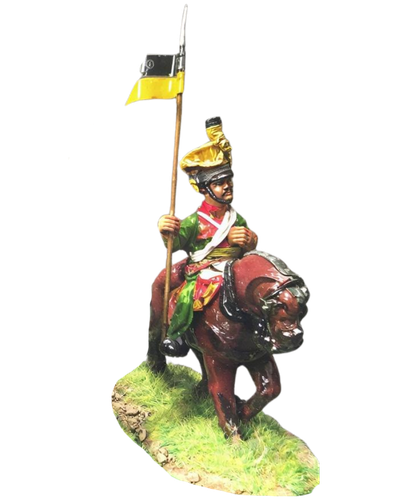
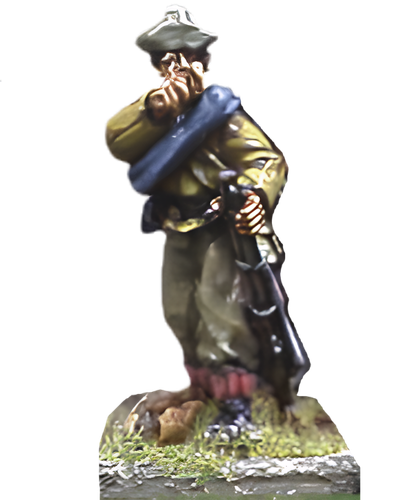
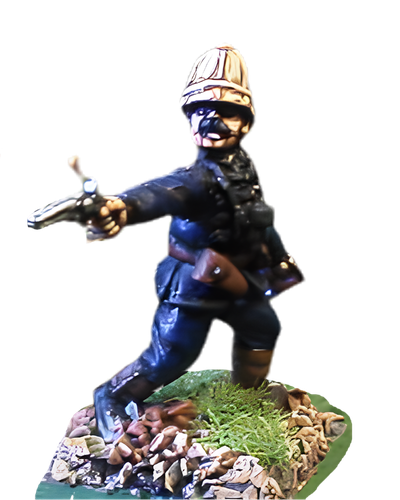
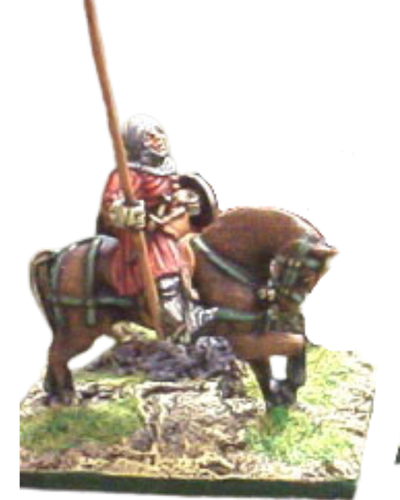
Size guidelines
What does the millimetre size of a miniature mean?
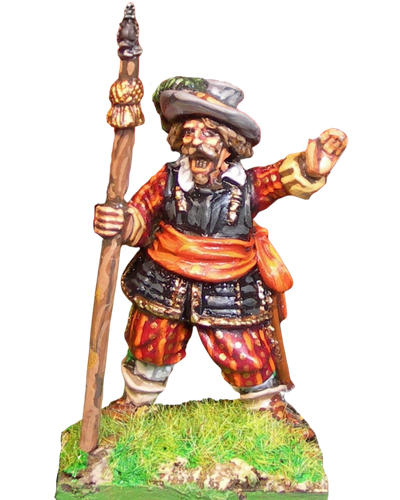
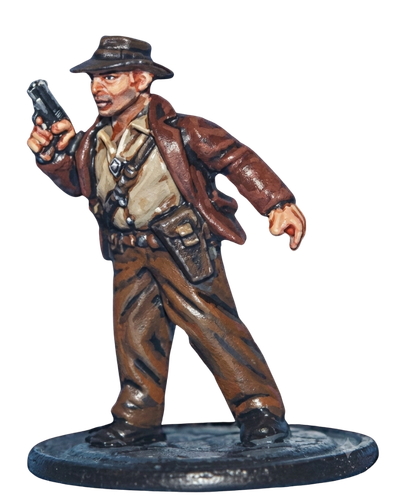
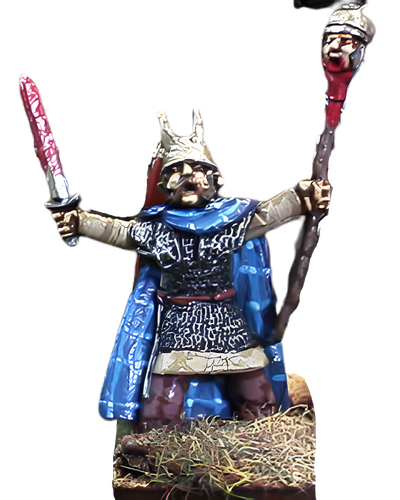
Numbers such as 10mm, 15mm and 28mm generally refer to the approximate height of a typical standing human figure.
It is important to remember that miniature sizing is not completely standardised across the hobby. Figures may be measured to eye level or to the top of the head, and proportions can vary between manufacturers, sculptors and ranges.
This means that two miniatures both described as 15mm or 28mm may not be exactly the same height when placed side by side.
Remember: Miniature sizes can vary slightly between manufacturers and ranges. For the most consistent appearance, choose figures from the same scale when building your army.
What About 1/600 Scale?
A ratio such as 1/600 works differently.
It means that the model is 600 times smaller than the real object it represents. Ratio scales are particularly useful for ships, vehicles and aircraft, where the dimensions of the real object can be reproduced proportionally.
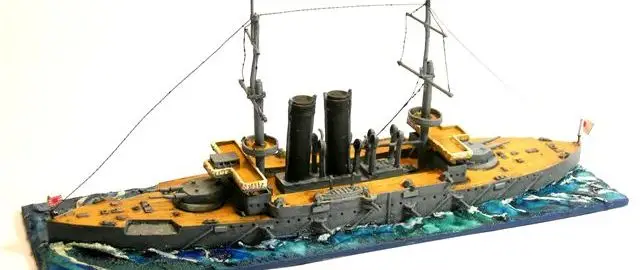
Old Glory’s 1/600 range is primarily used for naval wargaming.
At a glance
Compare miniature sizes
The right choice depends on the type of game you want to create. Think about the size of your armies, the space you have available, how much individual figure detail you want and the overall look you prefer on the tabletop.
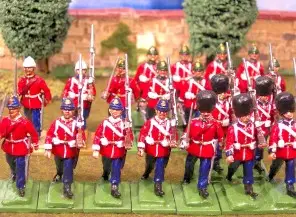
10mm
Best for: Large armies and mass battles
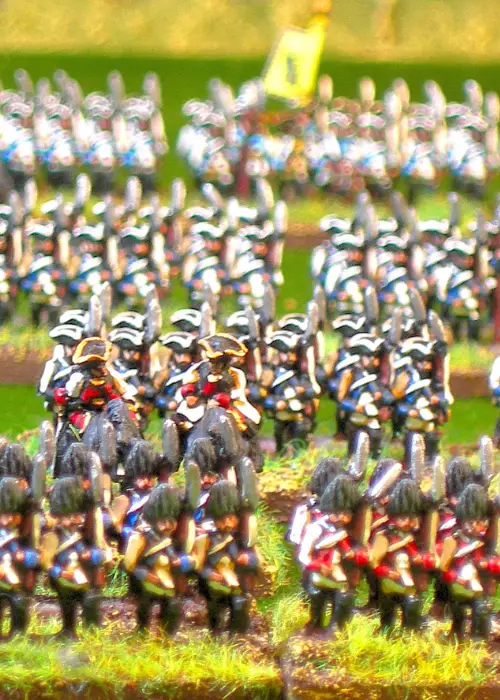
Small figures allow you to represent substantial formations without needing an enormous gaming table. Viewed together, large units can create a particularly impressive sense of scale.
Great if you want:
- Large formations
- Lots of figures on the table
- More room for manoeuvre and scenery
- The spectacle of a major battle
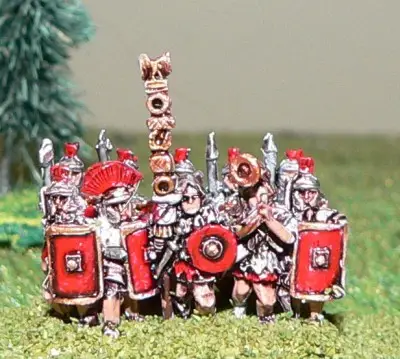
15mm
Best for: Balancing army size and visible detail
15mm sits between the spectacle of smaller scales and the individual detail of larger figures. It remains compact enough for substantial armies while allowing uniforms, weapons and vehicles to remain clearly recognisable.
Great if you want:
- Large but manageable armies
- A balance of detail and table space
- Historical battles with plenty of units
- Figures, vehicles and scenery at a compact scale
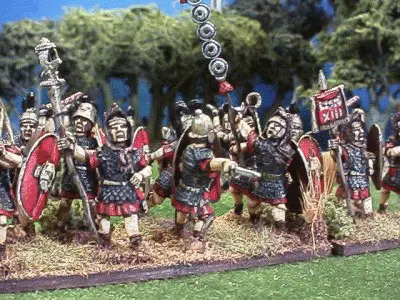
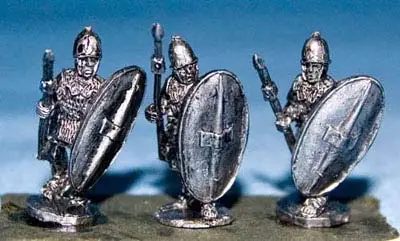
25mm and 28mm
Best for: Detailed armies and individual character
25mm and 28mm figures have a much stronger individual presence on the tabletop. Uniforms, equipment, facial features and poses become more prominent, making these sizes particularly enjoyable for painters as well as gamers.
The terms 25mm and 28mm do not always describe completely separate scales. Measurements and proportions have changed over the history of the hobby, which is why figures from different ranges can vary even when they are sold under similar size descriptions.
Great if you want:
- More visible painting detail
- Characterful individual figures
- Detailed units and command groups
- A strong visual presence on the tabletop
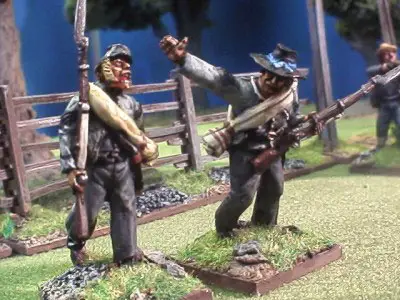
40mm
Best for: Maximum detail and tabletop presence
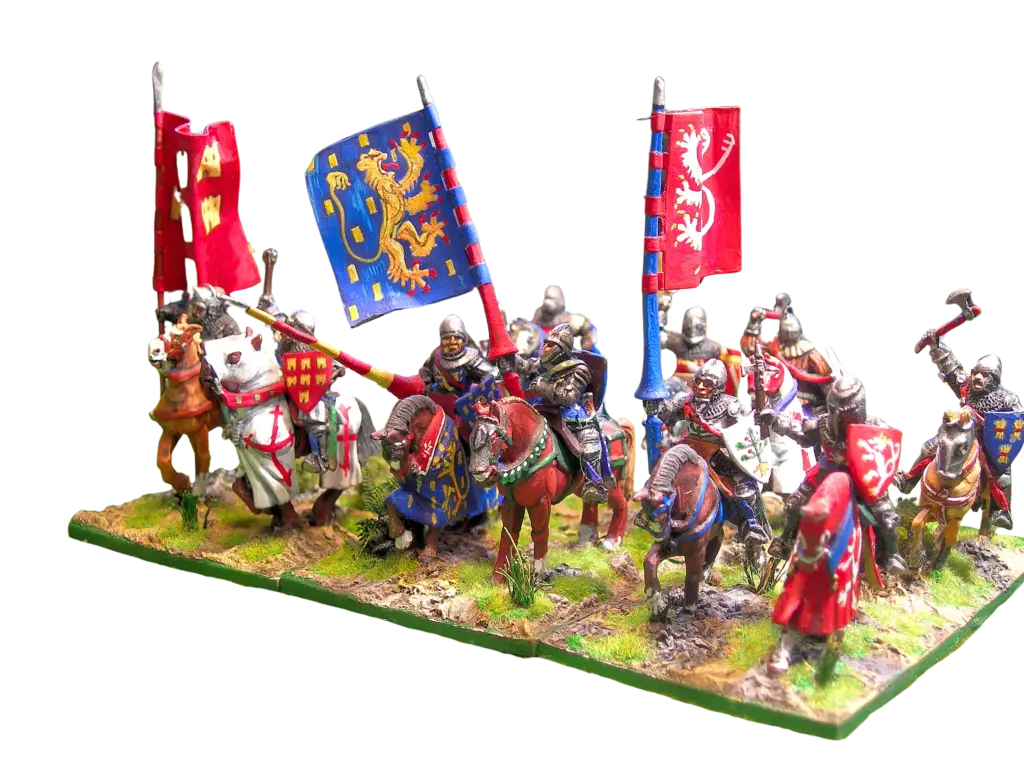
40mm miniatures make individual figures an important part of the spectacle. Their larger size gives sculpted details, uniforms and character poses plenty of room to stand out.
You will generally field fewer figures in the same amount of space than you would with a smaller scale, but each model has considerably more visual impact.
Large, highly detailed figures that make an impressive feature on the tabletop or in a display collection.
Great if you want:
- Large, impressive figures
- Plenty of painting detail
- Character and personality
- Collections and striking tabletop units
1/600
Best for: Naval battles and large fleets
Unlike figure sizes measured in millimetres, 1/600 is a true ratio scale. One unit of measurement on the model represents 600 of the same units on the real vessel.
The small scale allows entire ships and substantial fleets to be represented within a practical gaming area.
Great if you want:
- Naval wargaming
- Multiple ships and formations
- Large engagements
- A strong sense of battlefield scale
Side by side
How big are wargaming miniatures?
The easiest way to understand miniature sizes is to see them together.
A 10mm figure is considerably smaller than a 28mm figure, but that difference changes more than the height of the model. Smaller scales allow larger formations and greater distances between units, while larger scales bring individual figures and their details to the foreground.
Exact figure height can vary according to pose, headwear, sculpting style and the way a particular range is measured.
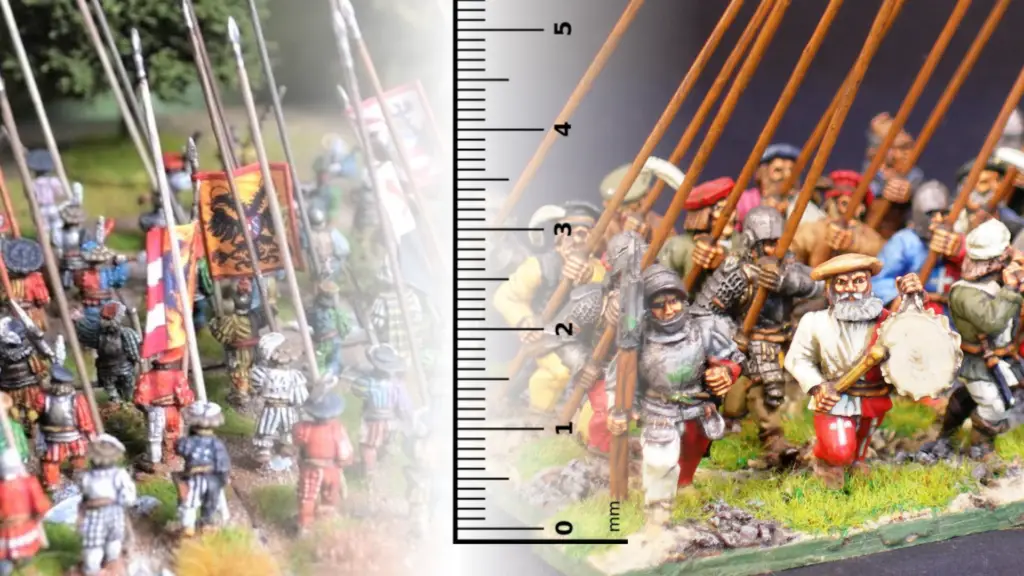
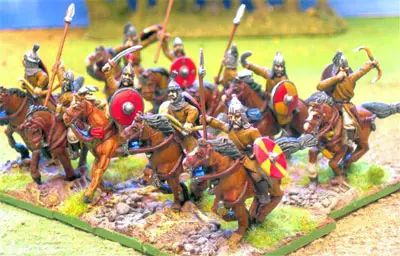
Old Glory 15mm and 28mm wargaming miniatures shown side by side for size comparison.
Find your scale
Start with the battle you want to create
There is no right or wrong answer. A useful way to choose is to think about what matters most to you.
I want huge armies on the table
Start with 10mm.
The smaller figures make it easier to create the impression of regiments, brigades and large battle lines without every unit consuming large amounts of table space.
I want large battles but still want plenty of detail
Look at 15mm.
It offers a useful middle ground between massed formations and individual figure detail.
Painting the individual figures is a big part of the hobby for me
Consider 25mm, 28mm or 40mm.
The increased size makes uniforms, equipment, faces and characterful poses more prominent.
I want to recreate naval battles
Look at 1/600 scale.
It allows recognisable ships and substantial fleets to share the same gaming area.
I already own an army and want to add to it
Check our ranges carefully before buying.
Miniatures described as the same nominal size can vary between manufacturers and ranges. Where appearance alongside an existing collection is important, compare the actual figures rather than relying on the size printed on the pack alone.
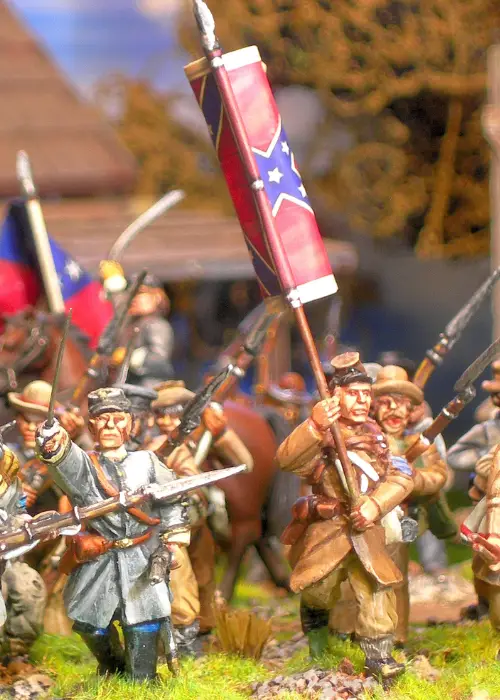
What changes?
It is about more than height
Changing miniature size changes the feel of the entire game.
Neither approach is better. They simply represent different ways of enjoying miniature wargaming.
Smaller Miniatures
Smaller figures make it easier to represent large formations and leave more of the table available for terrain and manoeuvre. Individual detail is less prominent, but the army as a whole becomes the spectacle.
Larger Miniatures
Larger figures put more emphasis on the individual model. Painting details are easier to see and each miniature has more visual presence, although the same number of figures will naturally require more physical space.
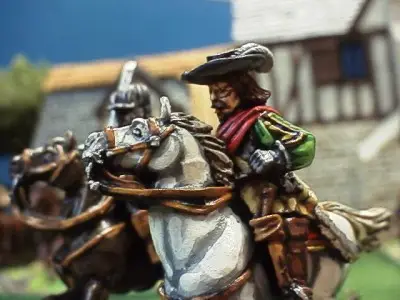
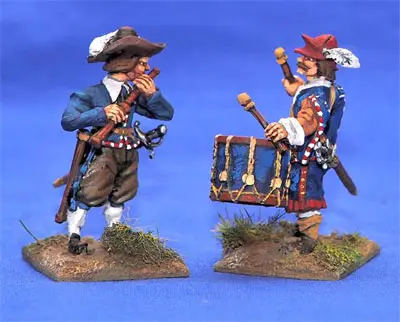
Can I Mix Different Miniature Sizes?
Miniatures from neighbouring sizes can sometimes look acceptable together, but the label on the range only tells part of the story.
A figure’s actual height, body proportions, base thickness and sculpting style can all affect how large it appears. Even miniatures sold as the same size are not guaranteed to match perfectly.
If you are building a consistent unit or army, choosing figures from the same range is usually the easiest way to achieve a uniform appearance.
Frequently asked questions
Miniature size FAQs
What we get asked the most about our miniature sizes.
What do 10mm, 15mm and 28mm mean in miniatures?
They generally describe the approximate height of a standing human figure. However, manufacturers do not all use exactly the same measuring method, so the stated size should be treated as a useful category rather than an exact universal measurement.
Is 28mm twice the size of 15mm?
A 28mm figure is substantially taller than a 15mm figure, but the comparison is not as simple as treating one as an exact scaled-up version of the other. Different ranges can use different proportions and measuring conventions.
Are 25mm and 28mm miniatures the same scale?
They are closely related sizes and the terms can overlap, particularly when comparing older and newer historical ranges. Actual dimensions vary between manufacturers, so it is better to compare the figures themselves when compatibility is important.
Are all 15mm miniatures the same size?
No. 15mm is a size category rather than a completely universal standard. Different manufacturers may measure their figures differently or use slightly different proportions.
Which miniature size is best for beginners?
There is no single best size for beginners. Choose according to the kind of game and hobby experience you want. Smaller figures suit large armies, while larger figures provide more visible detail for painting and individual models.
What miniature size is best for large battles?
10mm and 15mm are particularly well suited to large battles because substantial numbers of figures can be deployed without taking up as much table space as larger miniatures.
What miniature size is easiest to paint?
Larger figures such as 25/28mm and 40mm give you more physical space for picking out individual details. Smaller miniatures can often be painted effectively using simpler techniques across larger formations.
Can I use miniatures from different manufacturers together?
Often, but check before committing to a whole army. Two ranges carrying the same nominal size may still differ in height, body proportions, sculpting style or base thickness.
Is 1/600 the same as 10mm or 15mm?
No. 1/600 is expressed as a ratio, while labels such as 10mm and 15mm normally describe the approximate height of a human figure. Old Glory primarily uses 1/600 for its naval models.
Ready to Find Your Scale?
From large battle lines to individually detailed figures and naval fleets, the right miniature size depends on the game you want to build. Use our individual guides to compare the options in more detail, or start browsing the Old Glory ranges and find the miniatures for your next project.
Categories
Our Popular Categories
Whether you want massed 10mm formations, 15mm armies, characterful 25/28mm figures, impressive 40mm miniatures or fleets in 1/600 scale, explore each guide to learn more before choosing your range.
Know what you need?
Start Here
Already know what you are looking for? Search our full range by product name, period, scale or code and get straight to the miniatures you need.
Andy's Articles
Tips, Advice and Miniature News
From practical guides and range updates to stories from the hobby, Andy shares useful advice, background and the occasional bit of wargaming wisdom.